by Ace Concierge | Virtual Assistant | May 14, 2024 | Leadership, Small Business, Time Management
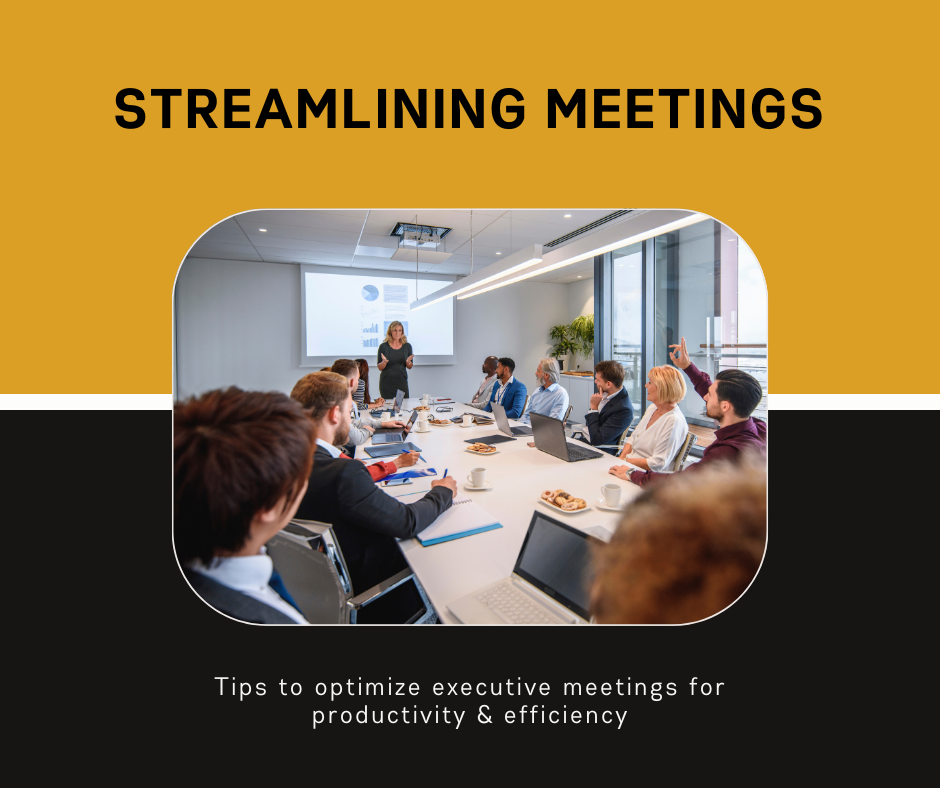
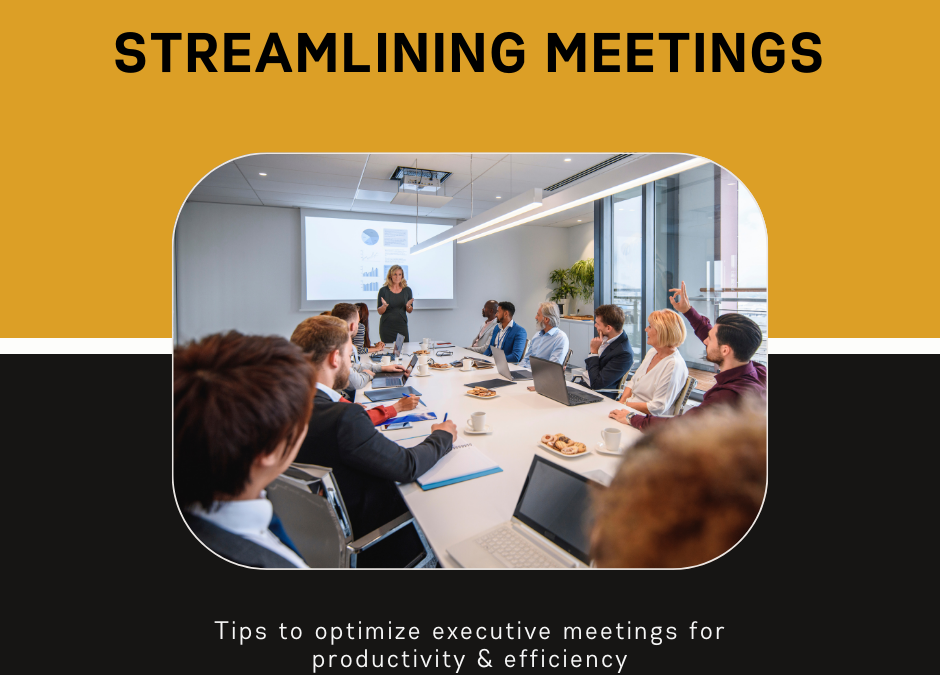
As a business owner or executive, you are likely familiar with the exhausting meeting marathon. It seems like every day is jam-packed with back-to-back gatherings, each promising to make progress on your most urgent priorities. However, more often than not, you come out of these meetings feeling dissatisfied, unproductive, and questioning where all the time has gone. You are not alone in this struggle. Research shows executives spend an average of nearly 23 hours weekly in meetings, with little to show. A significant 71% of senior managers view meetings as unproductive and inefficient.
So, what is the solution to streamline your meeting schedule and ensure that each gathering is a productive use of your precious time? Let’s dive in.
The Productivity Pitfalls of Inefficient Meetings
Enhancing meeting productivity requires addressing the common obstacles that impede their success. A primary concern is unclear objectives and agendas, which lead to unstructured discussions and distractions. Moreover, inadequate meeting management can result in disorganized debates and lengthy updates. The prevalence of multitasking and the overwhelming frequency of meetings also hinder productivity in the modern workplace.
Strategies for Efficient, Focused Meetings
Now that we’ve identified the common pitfalls, let’s explore some proven strategies for streamlining your meeting schedule and maximizing the productivity of each gathering.
1. Define Clear Objectives and Agendas
The old saying goes, “If you fail to plan, you plan to fail.” Before scheduling a meeting, clearly define the purpose, desired outcomes, and critical discussion points. Distribute a detailed agenda in advance so participants can come prepared and ready to contribute.
2. Designate a Facilitator
Appoint a meeting facilitator whose sole job is keeping the discussion on track, managing the time, and ensuring all attendees can voice their perspectives. This person should be empowered to politely redirect the conversation if it starts to veer off course.
3. Limit Attendees
Resist the temptation to invite everyone and their brother to your meetings. Only include the essential decision-makers and subject matter experts who need to be there. As leadership coach Cameron Herold advises, “If you have more than seven people in a meeting, you’re wasting time.”
4. Leverage Technology
Take advantage of the wealth of productivity-boosting tools at your fingertips. Virtual meeting platforms, collaboration tools, and productivity software can all boost meeting efficiency and engagement. Platforms like Zoom, Google Meet, Microsoft Teams, and Switchboard facilitate remote meetings with features like HD video, screen sharing, and real-time messaging. Project management and note-taking apps help track action items, decisions, and follow-ups. Meanwhile, virtual whiteboards and collaboration software enable more dynamic, interactive discussions.
5. Set Time Limits
Resist the urge to schedule hour-long meetings by default. Instead, aim for shorter, more focused gatherings of 30 minutes or less. If the agenda requires more time, break it into a series of back-to-back sessions with clear start and end times.
6. Follow Up Promptly
Don’t let the momentum of a productive meeting fizzle out. Immediately after the gathering, share a concise summary of key takeaways, action items, and next steps. This ensures everyone is on the same page and accountable for their responsibilities. Implementing these strategies can transform your meeting schedule from a time-sucking slog to a streamlined, high-impact part of your workday.
Maximize Meeting Productivity
Meeting optimization is a topic that can’t be overlooked without exploring the different tools and techniques that can enhance productivity. One effective method is the “stand-up” or “scrum” meeting format, where participants stand throughout the gathering. This promotes brevity, focus, and a sense of urgency. Research has shown that stand-up meetings can be up to 34% shorter than meetings where participants are seated.
Another helpful tactic is the “parking lot” technique, where topics that stray from the agenda are promptly noted and addressed separately rather than derailing the ongoing discussion.
Are you ready to revolutionize your meeting schedule from a dreaded obligation to a valuable productivity tool?

by Ace Concierge | Virtual Assistant | May 8, 2024 | Business Transformation, Communication, Leadership

As a business leader with a hectic schedule, your time is valuable and constantly sought after. Balancing client demands, team projects, and industry obligations can be overwhelming. Failing to establish boundaries and turning down opportunities can result in burnout, reduced efficiency, and a loss of focus on key objectives. Learning to say no is crucial for executives and entrepreneurs looking to regain control of their time and resources. This article will delve into the significance of setting limits, offer tips on politely declining requests, and highlight the advantages of saying no.
The Importance of Setting Boundaries
In today’s always-on, hyper-connected business landscape, it’s easy to feel you need to be available 24/7. The fear of missing out or letting someone down can make turning down opportunities or requests challenging. However, failing to set clear boundaries can severely affect your well-being and your ability to lead effectively.
When you say yes to everything, you spread yourself too thin, leaving little time and energy for the essential tasks and strategic priorities. This can lead to increased stress, diminished focus, and a sense of being overwhelmed and unfulfilled. Ultimately, your productivity, decision-making, and leadership capabilities suffer. According to a survey by the American Psychological Association, 75% of adults reported experiencing moderate to high levels of stress in the past month, with work being a significant contributor. By learning to say no, you can help mitigate the negative impacts of chronic stress and burnout.
Techniques for Politely Declining Requests
Saying no doesn’t have to be aggressive or damaging to your relationships. The right approach can strengthen your professional standing and demonstrate your leadership abilities. Here are some techniques for politely and professionally declining requests:
- Respond Promptly: Don’t leave requests hanging. Acknowledge the request and promptly respond, even if it’s a polite decline. This shows respect for the other person’s time and prevents the situation from dragging on.
- State Your Decision: When declining a request, respond directly and confidently. You do not need to provide a lengthy explanation. A simple statement like “I won’t be able to take this on, but thank you for thinking of me” is sufficient.
- Suggest Alternatives: If appropriate, offer an alternative solution or suggest someone else who may be better suited to the task. This demonstrates that you’re trying to be helpful, even if you can’t directly assist.
- Express Gratitude: Thank the person for the opportunity and let them know you appreciate being considered. This helps maintain a positive relationship, even if you decline the request.
The Benefits of Saying No
Mastering the art of saying no may initially feel uncomfortable, but the benefits far outweigh the short-term discomfort. Here are some of the ways that learning to decline requests can positively impact your business and your life:
- Increased Productivity: You free up time and mental energy to focus on your most critical strategic objectives by saying no to low-priority tasks and commitments. This allows you to be more productive and achieve more significant results.
- Reduced Stress and Burnout: Overcommitting yourself is a surefire path to burnout. According to a study by the World Health Organization, burnout is characterized by feelings of energy depletion, increased mental distance from one’s job, and reduced professional efficacy. Saying no helps you maintain a healthier work-life balance, reduce stress, and avoid the negative impacts of chronic overwhelm.
- Improved Decision-Making: When you’re not stretched thin, you can make better-informed, more thoughtful decisions. This leads to more effective leadership and better outcomes for your business.
By mastering the art of saying no, you can control your time and energy and align your commitments with your highest priorities. This, in turn, can boost your productivity, reduce stress, and make you a more focused, impactful leader.
You have to decide what your highest priorities are and have the courage pleasantly, smilingly, and non-apologetically – to say no to other things. And the way to do that is by having a bigger yes burning inside. Stephen Covey

by Ace Concierge | Virtual Assistant | Apr 24, 2024 | Business Transformation, Leadership

In today’s fast-paced, digitally driven world, it’s easy to feel overwhelmed by the constant barrage of information, notifications, and demands on our time. I’ve seen firsthand how a lack of focus and the inability to engage in deep work can hinder our ability to achieve our goals and reach our full potential. However, by embracing the power of focus and deep work, we can unlock a world of possibilities and transform our daily lives.
The Epidemic of Distraction
Recent studies have shown that the average person’s attention span has decreased significantly. The average person can now focus for 8 seconds, down from 12 seconds in 2000. This is due mainly to the proliferation of digital devices and the constant stream of information and stimuli we’re exposed to daily.
“The ability to focus is a superpower.” – Chris Bailey, author of “The Productivity Project”
This epidemic of distraction has far-reaching consequences, not only for our productivity but also for our overall well-being. Constant multitasking and the inability to focus can lead to increased stress, decreased cognitive function, and even a decline in mental health. This is where the concept of deep work becomes crucial.
In one year, the average knowledge worker allocates 103 hours to unnecessary meetings, 209 hours to duplicated work, and 352 hours to work-related discussions (Asana).
The Power of Mindfulness
One critical strategy for overcoming distraction challenges is the practice of mindfulness. Mindfulness is the art of being present in the moment, fully engaging with the task at hand, and tuning out the noise of the external world.
“Mindfulness is the ability to be fully present and aware in the current moment.” – Jon Kabat-Zinn, founder of Mindfulness-Based Stress Reduction
By cultivating a mindful mindset, we can train our brains to stay focused and attentive, even in the face of distractions. This boosts our productivity and enhances our overall sense of well-being and satisfaction. In addition to mindfulness, the concept of deep work, as popularized by Cal Newport, is a powerful tool for enhancing our focus and productivity. Deep work refers to the ability to engage in focused, uninterrupted work for extended periods without the distractions of email, social media, or other digital noise. By setting aside dedicated time each seek, we can significantly increase our output and the quality of our work.
“Shallow work is what we do when we’re distracted. Deep work is what we do when we’re focused.” – Cal Newport
Optimizing Your Deep Work Sessions
Environment Optimization
Creating a dedicated workspace that’s free from distractions is key. Set up a quiet corner in your home or office with minimal visual and auditory interruptions. Use noise-cancelling headphones, ambient music, or white noise to block out external disturbances and cultivate a productive atmosphere.
Time Blocking
Implement a structured schedule with specific blocks of time dedicated solely to deep work tasks. By allocating focused time slots for intensive work, you can prioritize essential projects and minimize multitasking.
Digital Detox
Minimize digital distractions by turning off notifications on your electronic devices during deep work sessions. Utilize apps or browser extensions that block access to distracting websites and social media platforms.
Break Strategies
Incorporate short breaks between deep work intervals to prevent mental fatigue and maintain productivity. Use these breaks to stretch, hydrate, or engage in light physical activity to rejuvenate your focus.
Goal Setting
Define clear objectives and goals for each deep work session to maintain direction and motivation. Setting specific targets can help you stay on track and measure progress throughout your focused work periods.
Accountability Partners
Consider partnering with a colleague or friend who shares similar deep work goals. Holding each other accountable and providing mutual support can boost motivation and commitment to sustained focus.
Reflection and Iteration
Reflect on your deep work practices regularly to identify areas for improvement and adjustment. Experiment with different techniques, routines, and strategies to optimize your workflow and enhance the quality of your deep work sessions.
Overcoming Obstacles and Embracing the Journey
It takes real effort to break free from those ingrained habits and temptations that pull us in many different directions. But you can overcome those obstacles with patience, self-compassion, and a willingness to experiment.
Trust me, the payoff of cultivating that focused mindset is enormous – you’ll unlock a whole new level of productivity and achievement in your personal and professional life.
It’s all about finding and sticking with what works best for you. Sure, there may be ups and downs, but hang in there, and you’ll be reaping the rewards in no time.

by Ace Concierge | Virtual Assistant | Apr 3, 2024 | Business Transformation, Leadership
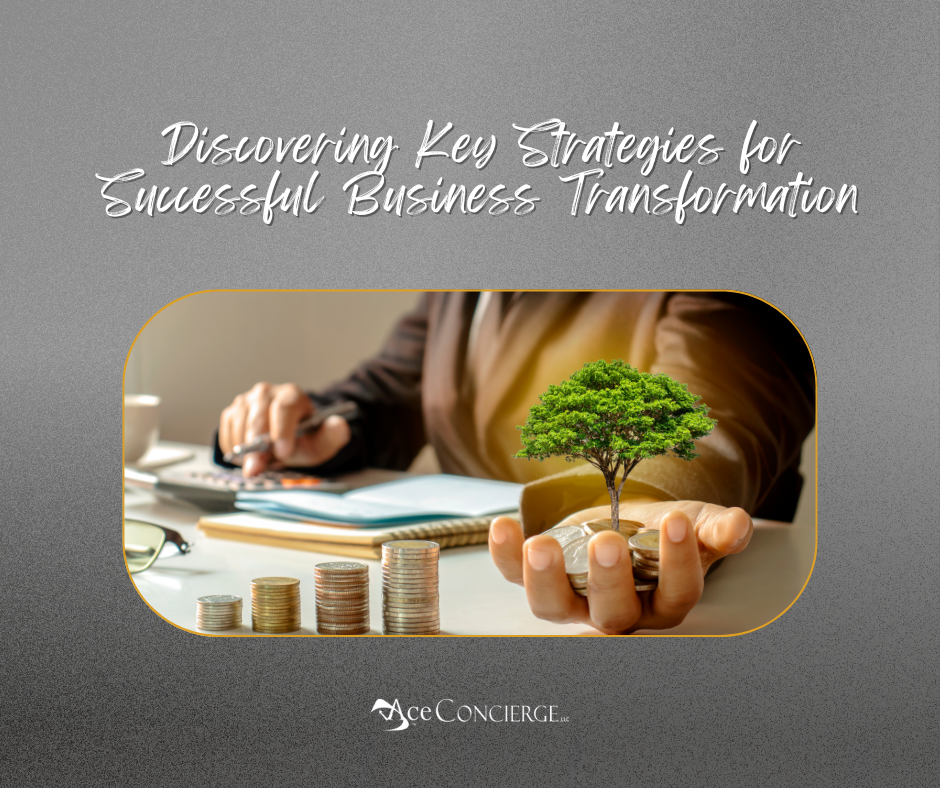
In the wild business world, there’s a golden rule: “If you keep spinning in circles, don’t expect to land on Jupiter!”
Whether starting a new venture or jazzing up an old one, the significance of building or transforming a business from the ground up cannot be overstated. This process is akin to laying a strong, sturdy, and functional foundation essential for long-term success and sustainability.
It all begins with a vision, a spark that ignites the flame of innovation. Embrace the thrill of transformation as you breathe new life into your business. Every tweak, every adjustment, every bold leap forward is a step towards greatness.
“If you are not ready to change yourself, forget about changing your team and your organization.” Dr. Patrick Liew, executive chairman at GEX Ventures.
Embracing Change for Growth
Starting or transforming a business means being open to change and shaking things up. It’s all about embracing innovation, adapting, and always getting better. It’s time to break out of your comfort zone!
The Humbling Experience of Starting Anew
This journey can be a truly humbling experience. It requires us to let go of any preconceived notions, unproductive practices, or outdated strategies, but it is absolutely necessary to mend any cracks that may have developed over time. By rebuilding a business from scratch, we can eliminate weaknesses and establish a more solid framework for future growth.
Avoiding Band-Aid Solutions
Trying to solve business challenges with quick fixes is like putting a band-aid on a severe wound. Fundamental transformation needs a thorough strategy that tackles root problems and brings lasting change. Business owners can break free from ineffective cycles by avoiding hasty solutions, concentrating on fundamental enhancements, and creating a sustainable path to success.
Getting to the Root Cause
When it comes to business transformation, applying root cause analysis emphasizes the similarity between personal growth and corporate development. Just as individuals focus on improving their core habits for overall well-being, businesses must identify and resolve foundational challenges to unlock their full potential. Ignoring and failing to correct harmful practices or mindsets can undermine positive initiatives.
The Power of Strong Foundations
A well-established organization is better able to navigate problems and capitalize on opportunities. A solid infrastructure, including efficient operating procedures, strong leadership, and a clear strategic direction, provides the foundation for long-term success.
Embracing Innovation and Adaptation
Innovation and adaptability are essential for success and present a chance to incorporate these traits into the organization’s DNA. Businesses may stay ahead of industry trends and consumer preferences by fostering a culture that celebrates creativity, welcomes change, and always strives for the better.
Transformation can be exciting, but it’s easy to hit some speed bumps along the way. One of the biggest mistakes I see companies make is rushing the process, trying to get results fast without taking the time to get the fundamentals right – things like clearly defining roles, goals, and expectations. This can lead to confusion and disengagement among employees, a recipe for a bumpy transformation journey.
Transformation Pitfalls:
- Rushing the Process: There is a tendency to want quick results, but going too fast can lead to overlooking essential parts of the transformation process, resulting in more expense and delays down the line.
- Lack of Clear Roles, Goals, and Expectations: Failing to articulate clear roles, goals, and expectations can lead to misunderstandings and a lack of engagement among employees.
- Inadequate Change Management: Failing to communicate the need for change, lacking a clear vision of the future, and not equipping employees to adapt are common mistakes that impede the transformation process.
- Ignoring Data and Technology Intersections: Neglecting the interplay between data, technology, and processes can lead to inefficiencies and uninformed decision-making.
- Underestimating Culture Change: Introducing digital transformation without adequately addressing cultural shifts and failing to engage employees in the process can impede the success of the transformation.
- Not Prioritizing Business Benefits: Failing to identify and quantify business benefits or not correctly defining the business motivation and vision can lead to a lack of direction and unsuccessful outcomes.
- Trying to Do It All Alone: Many small business owners make the mistake of doing everything themselves, leading to oversights and inefficiencies. Seeking outside expertise and support can be beneficial.
“By understanding and managing a small number of common root causes and how these forces interact dynamically, you can prevent trouble in the first place or move effectively to rescue the project once trouble strikes.” PricewaterhouseCoopers
In closing, whether you’re starting a new business or breathing new life into an existing one, the significance of building or transforming from the ground up cannot be underestimated. By adopting the right mindset and implementing strategic approaches, you can skillfully navigate the landscape of transformation and unlock your business’s full potential.

by Ace Concierge | Virtual Assistant | Feb 21, 2024 | Leadership, Virtual Collaboration

Mastering virtual collaboration with remote teams is essential for building strong and high-performing teams.
Enterprises and professionals have been wrestling with the enigma of remote teamwork forever. The dance of misunderstandings and workflow glitches is a classic tale in the realm of virtual collaboration. But hey, let’s see these challenges as opportunities to level up our skills and add a dash of innovation magic. Envision a scenario with clearly defined objectives, virtual coffee discussions, a balance of structure and adaptability, and the integration of advanced technological resources to facilitate seamless teamwork.
Efficiency, adaptability, and a commitment to success are the common threads that weave through the experiences of those who have successfully navigated the virtual landscape.
An analysis of statistics reveals that a significant percentage of Americans prefer remote work and would consider seeking employment that supports virtual teams. In light of this, it’s vital to adopt a remote work culture and prioritize the growth, retention, and support of your virtual team.
Tips and Strategies for Effective Virtual Collaboration:
1. Embrace Asynchronous Communication:
Asynchronous communication allows team members to work on their schedules and respond to messages at their convenience. This approach can reduce the need for meetings and can help team members focus on their work without interruptions.
Tip: Encourage Flexibility
- Foster autonomy: Allow team members to shape their schedules for a balanced work-life dynamic.
- Enable adaptability: Choose communication channels that empower messages to flow at individual convenience.
2. Prioritize Communication and Connection:
Virtual teams need to make a deliberate effort to communicate and connect. Use tools like Slack and Zoom to stay connected, and schedule regular virtual team-building activities to foster a sense of community and collaboration.
Tip: Leverage Communication Tools
- Optimize immediacy: Utilize real-time messaging tools like Slack for instant connections and faster decision-making.
- Cultivate camaraderie: Schedule virtual team-building activities to strengthen team bonds and build rapport.
- Efficient collaboration: Simulate in-person interactions, to create a sense of connectivity among team members and enable quick updates, brainstorming sessions, and collective problem-solving
3. Set Clear Goals and Expectations:
In a virtual environment, it’s important to set clear goals and expectations for each team member. This can help ensure that everyone is aligned and working towards the same objectives.
Tip: Define Objectives
- Clarify direction: Articulate team goals and individual responsibilities for unified understanding.
- Streamline collaboration: Utilize collaborative documents or project management tools to provide a clear roadmap.
Tip: Regular Check-ins
- Foster alignment: Schedule periodic check-ins to review progress and address challenges.
- Encourage inquiry: Create an environment where team members feel empowered to seek clarification on goals.
4. Use Project Management Tools:
Virtual teams need to have a clear understanding of who is responsible for what tasks and when they are due. Project management tools like Redbooth, Asana, or Trello can help keep everyone on track and engaged to ensure that deadlines are met.
Tip: Choose the Right Tool
- Optimize efficiency: Select a project management tool aligned with your team’s workflow.
- Empower proficiency: Provide training to ensure everyone masters the chosen tool.
Tip: Set Milestones and Deadlines
- Drive progress: Break down tasks into milestones with clear deadlines.
- Ensure accountability: Regularly update project boards to track progress and identify potential bottlenecks.
5. Celebrate Successes:
When working remotely, it can be easy to forget to celebrate successes and milestones. Make a point of recognizing and celebrating achievements, whether it’s through a virtual happy hour or a team-wide shoutout.
Tip: Host Virtual Celebrations
- Acknowledge achievements: Celebrate accomplishments, big or small.
- Boost morale: Arrange virtual celebrations like happy hours to foster a positive team culture.
Tip: Shoutouts and Recognition
- Cultivate a culture of recognition: Establish regular shoutouts during meetings or dedicated channels.
- Inspire excellence: Showcase individual and team achievements to motivate and uplift the entire team.
Virtual collaboration is a must-have. However, it’s not just about implementing strategies and trying every new collaborative tool; it’s about customizing them to fit the unique dynamics of your team.
Despite the challenges, remote work is increasingly popular, and many individuals prefer it for the flexibility and work-life balance it provides. By understanding and mitigating the challenges, businesses can effectively support virtual teams and prioritize their growth and success.
But don’t forget, true achievement isn’t just about reaching your goals, it’s about cultivating a robust and connected team that thrives in any environment.
“We like to give people the freedom to work where they want, safe in the knowledge that they have the drive and expertise to perform excellently, whether they at their desk or in their kitchen.” Richard Branson

by Ace Concierge | Virtual Assistant | Feb 14, 2024 | Leadership, Life Thoughts, Productivity
We all dream of a better life, but sometimes we forget that the smallest steps can lead us to greatness. Welcome to the world of micro-habits! These little guys are the secret to unlocking a world of efficiency and happiness.
Unleashing the Power of Micro-Habits
Micro-habits are the tiniest of tiny habits. They are like mini superheroes that, when used consistently, can change your life. Unlike big, scary habits, micro-habits are simple and easy to sneak into your daily routine.
The Science Behind Micro-Habits
Our brains love rewards, and micro-habits deliver! When we do something positive and tiny, our brain gets a boost of happiness, making us want to do it again and again.
Starting with One Tiny Habit
Time to start your micro-adventure! Pick one area in your life that needs a little help and find a tiny habit that can help. Maybe it’s doing a quick stretch, drinking more water, or taking a deep breath. Remember, the little things can add up to big changes.
Consistency is Key
The magic of micro-habits is that they need to be done regularly. Set a time for your chosen micro-habit and stick to it. The more you do it, the more it becomes a part of your routine.
Stackable Habits for Maximum Impact
Micro-habits are like building blocks – you can stack them for a bigger impact. Find an existing habit you already do and add a new micro-habit to it. Maybe it’s doing a little dance while brushing your teeth, or taking a deep breath before checking your email. James Clear talks a great deal about habit stacking in Atomic Habits. (also available on Audible!!)
Doing a little bit is infinitely bigger and better than doing nothing. Stephen Guise, Mini Habits: Smaller Habits, Bigger Results
10 Micro-Habits to Start Today:
- Morning Stretch Ritual: Wake up and shake up! Stretching for just a few minutes each morning will loosen up your muscles, enhance flexibility, and energize you for the day ahead.
- Hydration Reminder: Water is life! Keep your hydration in check by setting a reminder to drink a glass of water every hour. It’s a simple yet powerful habit that can contribute to your overall health and vitality.
- One-Minute Mindfulness Breaks: Take a break from the hustle and bustle of your day by practicing mindfulness. Spend just one minute focusing on your breath to center yourself and promote mental clarity.
- Daily Gratitude Journal: Take a few minutes each evening to jot down three things you’re grateful for. This simple act of gratitude can shift your perspective and promote a more positive outlook.
- Tech-Free Time Before Bed: Give your mind and body time to unwind by putting away electronic devices at least 30 minutes before bed. This promotes better sleep quality, and who doesn’t love a good night’s rest?
- Single-Tasking Practice: Ditch the multitasking and focus on one task at a time. Break your day into smaller chunks and fully immerse yourself in each activity to boost concentration and productivity.
- Lunchtime Walk Routine: Take a break from your desk and get moving! A brisk walk around the block during your lunch break can boost energy levels and contribute to overall fitness.
- Five-Minute Desk Declutter: Clear your mind by clearing your workspace. Spent just five minutes tidying up your area before wrapping up your workday to promote mental clarity and focus.
- Expressive Breathing Exercise: Take a few minutes to practice diaphragmatic breathing. This simple breathing exercise can calm your nervous system and reduce stress, leaving you feeling refreshed and ready to tackle the day.
- Evening Reflection Time: Before bed, take a moment to reflect on your day. Consider what went well and what you learned. This micro-habit encourages self-awareness and continuous improvement.
Embracing the Micro-Revolution
Listen up, folks! Here’s the trick to mastering micro-habits: start tiny and stay the course. Pick a few from our list above, stick ’em in your daily routine, and watch them grow. Before you know it, these small steps will lead to a giant leap towards a happier, more productive life.