by Ace Concierge | Virtual Assistant | Jan 26, 2024 | Email Management, Leadership, Time Management

Email overload! As an executive, surviving the daily deluge of emails, it can feel like you’re dodging and weaving in a crowded marketplace.
In a MailBird 2021 study, they queried more than 250 professionals and found that:
- Nearly half of respondents (40%) receive between 61-200 emails a week. Only 10% or less of those emails are business-critical.
- A third of respondents say they spent three to five hours a week managing their inboxes. Given the low rate of business-critical emails, around 10.8 hours are wasted on average on unproductive work.
- A majority (61%) believe their personal email management methods are inadequate. Yet few believe tech solutions like email apps and email clients are the solution (20%). Interestingly, 60% of those surveyed say they don’t have the time to learn non-tech alternatives.
- Only 5% of businesses have training materials or employee manuals that go into detail on what or is not business critical communication or email management.
According to Microsoft, Workers spend 40% of their work week – two full days – on email and meetings. This generates a significant cost burden for businesses.
But fear not! Here are some battle-tested strategies to keep your inbox under control:
Prioritize Like a Pro
Don’t fall for the trap of giving equal attention to every email. Sort your emails by priority and relevance using filters and labels. Keep the most pressing matters at the top of your list and filter out the rest.
Timing is Key
Resist the itch to check your inbox every five minutes. Allocate specific time slots for email management and stick to them. This not only enhances focus but also helps you avoid getting lost in the never-ending sea of emails.
Set Boundaries for Balance
Make a conscious effort to maintain a healthy work-life balance. Set clear boundaries around your email engagement, especially outside regular work hours. Taking a break from your inbox allows you to recharge and stay sharp.
Delegate Effectively
Delegate email management tasks to a capable team member or executive virtual assistant. Communicate your expectations and empower them to handle your inbox on your behalf. This not only takes the load off you but also promotes efficiency and collaboration.
Strategies for Success: Tried and Tested
Optimize your email experience with these proven strategies
- The Power of Unsubscribe: Regularly assess your subscriptions and unsubscribe from irrelevant newsletters or updates that clutter your inbox.
- Response Efficiency: Craft concise and clear responses to expedite your communication process.
- Priority Labels: Implement a priority labeling system to swiftly identify and address critical emails.
- Batch Processing: Group similar tasks and tackle them in dedicated time blocks to enhance focus and efficiency.
- Embrace Silence: Resist the urge to respond immediately. Allow thoughtful pauses in communication to foster clarity and strategic decision-making.
With a smart approach, you can tame your unruly inbox and transform it into a productivity powerhouse for strategic thinking and effective leadership.
Isn’t it time you took back control?
by Ace Concierge | Virtual Assistant | Jan 17, 2024 | Leadership, Productivity
Behold the secret sauce of thriving organizations: employees who are more than just content – they’re happy, productive, and unstoppable!
What’s their source of superpowers? Motivation. But what’s the secret formula: intrinsic or extrinsic?
We’re about to get to the bottom of it and dish out some tactical tips to inspire your team.
Intrinsic Motivation:
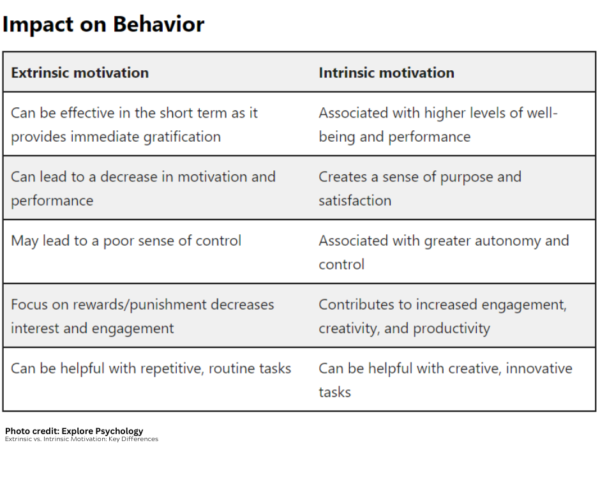
Imagine motivation that comes from within, a personal drive fueled by passion and pure delight. External factors do not sway this kind of motivation – it’s sustainable, resulting in job satisfaction, engagement, and commitment. The sweet reward? Productivity skyrockets and creativity flows like a river. To nurture intrinsic motivation, try these tricks:
Create Growth Opportunities:
Offer opportunities for personal and professional development. When employees feel they’re learning and growing, motivation follows. Training, mentoring, and career development programs can be powerful drivers for growth.
Empower Autonomy:
Let your team take ownership of their work and make decisions independently. Autonomy breeds responsibility and engagement. Encourage your team to take initiative and make decisions with confidence.
Assign Meaningful Work:
Connect tasks to a sense of purpose and meaning. Ensure your team knows how their work contributes to the company’s overarching goals.
Extrinsic Motivation:
On the flip side, there’s external motivation driven by rewards, recognition, and the fear of consequences. Tangible rewards like money and acknowledgment can be incredibly effective. But be warned, there are potential drawbacks like short-term focus and diminishing motivation over time. To cultivate extrinsic motivation, consider these tactics:
Rewards and Recognition:
Promotions, bonuses, and other incentives can fuel effort and goal attainment. Recognition programs are equally effective in lifting morale and motivating employees.
Establish Clear Expectations:
Make sure your team understands what’s required for rewards or to avoid unfavorable outcomes. Ensure your expectations and guidelines are clear and concise.
Offer Constructive Feedback:
Regular feedback helps employees gauge their performance and areas for improvement. Ensure your feedback is specific, encouraging growth, and timely.
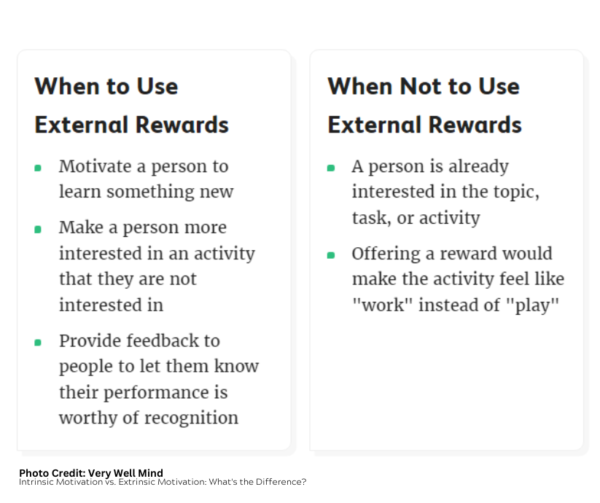
So, which is better? The ultimate recipe for success is a balance of intrinsic and extrinsic motivation. Each approach has its unique benefits, and it’s up to you to determine which works best for your team.
Remember, a happy workforce is the heartbeat of a successful organization. Whether it’s inner fire or external rewards, it’s vital to cultivate and sustain a motivational culture that fuels productivity and passion.
A well-motivated team is a winning team!
by Ace Concierge | Virtual Assistant | Aug 9, 2022 | Business Values, Customer Service, Leadership
If you’re a business owner, you probably wonder if you should focus solely on being transactional or transformational. It’s important to recognize the difference between the two.
Transactional in business is all about what you are asking for. You sell a product or service, without deepening the relationship too much. But as a business owner, you wish to build a long-term relationship that comes from transformation. You want to use your product/service to change someone, enrich their lives, or teach them something they didn’t know before.
Business owners often focus on ‘transactional’ to-do’s because they feel more productive, but ‘transformational’ moves will help you in the long run
Most businesses focus on getting more customers & clients. The people who rise above these transactional relationships and transform them into something more meaningful are the companies who will thrive. They are the ones who will have a family of customers, clients, and friends that they do business with over time.
Transformational vs transactional: what’s the difference?
In short, a transit transaction is characterized by an exchange of value for value. In contrast, transformative transactions are characterized by an exchange of value for some sort of non-market good. Transformative transactions may be characterized by psychological relationships between seller and buyer that are more durable and trusting than those typified by transactions. Or transformative transactions may be characterized as providing some sort of benefit to one party that is not directly related to the market value of the good or service involved in the transaction but is valued nonetheless.
Transactional activities are those that help us check off our lists and feel productive (e.g., responding to emails), while transformational actions/behaviors are ones that increase productivity over time (e.g., building relationships). Consider this example, when trying to build muscle and increase fitness levels, it is not enough to lift heavier or run longer. Your body is a system and requires proper lifting technique, a solid program, sleep, mind/muscle connection, balanced hormones, micro/macronutrients and recovery. These essential components, along with so many other physiological elements is the nitty gritty groundwork for performance, endurance, strength, and hypertrophy. When a goal-oriented athlete does not consider the myriad of foundational building blocks, their success will not only be limited, but their body could actually enter a catabolic state.
7 strategies to support your long game
- Draft a list of what you want to accomplish through change and transformation
- Set aside time for an honest, deep dive into your organization, removing emotion and ego, how is the health of your business? Your staff? Revenue? Clients? All the things?
- Avoid burnout and overwhelm by focusing on one level of your business, i.e, operations, technology, human resources, business model, customer journey, etc
- Commit to solving problems at their core, the root cause, because a quick fix or bandage is just a transaction
- Focus on your future goals to help you create more meaningful strategic action steps
- Invest 100% in the process and mindset
- Gain staff buy-in through education and empowerment
If you maintain an emphasis on transactional business practices, you will find yourself dealing with clients who are less committed and not reaping the long-term benefits of solid relationships.
The goal of business success doesn’t mirror a travel itinerary, but instead, nurtures loyal client relationships, a strong corporate culture, and transforming the customer experience.
In the end, it’s really all about value. If you can prove to your customers (and all stakeholders) that you’re providing value, not just selling products and services, then you’ll be more successful than those who are simply trying to run their business in a transactional manner. Think about your own habits. Do you prefer businesses that treat you as a customer or as a valued member of their community?

by Ace Concierge | Virtual Assistant | Nov 2, 2020 | Leadership, Life Thoughts

Change isn’t just something you find deep in your pockets or between the couch cushions. It is the journey to growth and greater things in both your personal and professional life. It is essentially impossible to push forward with yesterday’s thinking. This is just the pond of stagnation with a green gooey film. It’s not efficient or effective to repeat the ritual of yesterday’s thinking, trusting you’ll experience different results today. This is sure to bury you in the end.
‘If you always do what you’ve always done, you’ll always get what you’ve always got.’ Henry Ford
Over the past year, my web developer reached out asking if I was ready to update my website, change my theme, and make it mobile responsive. Well, I did not want to. It was that simple for me. No matter how many themes or websites I looked at, none truly stood out and made me squeal with delight. They were all so blah and I couldn’t envision Ace on those pages. Besides, I didn’t like the scrolling and shifting and flowing of today’s present-day themes.
I continued to push the site to the back burner while I pressed on with my clients and managing their business operations. My clients take precedence.
Fast forward to an email from my developer when he was updating my plugins and security;
“The latest version of WordPress doesn’t work well with the theme you have been using for quite a while. The theme author will no longer be updating the theme so you need to decide what you want to do going forward. It appears that the site will be visible but there may be some incompatibilities.”
This was the kick in the pants I needed to move it or lose it. It was time to suck it up and put in the time and effort to work on my site. To evolve. To change.
My developer sent me to the Divi site to pick a theme and I quickly messaged my designer to help me ‘see’ Ace in a different place. I was stuck in my old ways. Old theme. Old style.
The green gooey film was suffocating and I allowed my old thinking to trap me like quicksand. I knew I needed to peel off the layers because I DO embrace growth, change and rebirth!
Silly me. Who wouldn’t want a refresh?? The excitement began to pique. I was eager for something new.
It’s been an exciting ride to watch my designer magically create the new Ace Concierge site from documents I wrote, questionnaires I answered, discussions we had, images I sent and the long-term relationship we have nurtured. She and her team put me on (digital) paper, sharing my passions, my business experience, my authenticity, and genuine desire to help others. If you want to know WHY I created my company, click here: Virtual Assistants, Passion, Preference and Persistence
Old ways, yester-days are just that! Old and expired. Keep the past in that bucket in order to generate new innovative ideas, processes, business, and personal growth, your health, and anything else that needs to be reexamined. Anything else that requires transformation.
We are evolving beings.
Embrace the new.
Life is about revitalization and advancement.
Welcome to the rebirth of the Ace Concierge website.
I hope you enjoy your time here.
by Ace Concierge | Virtual Assistant | Jun 28, 2016 | Delegation, Leadership, Productivity, Virtual Assistant
Stop Controlling and Allow Your Business to Grow
How to master the art of letting go
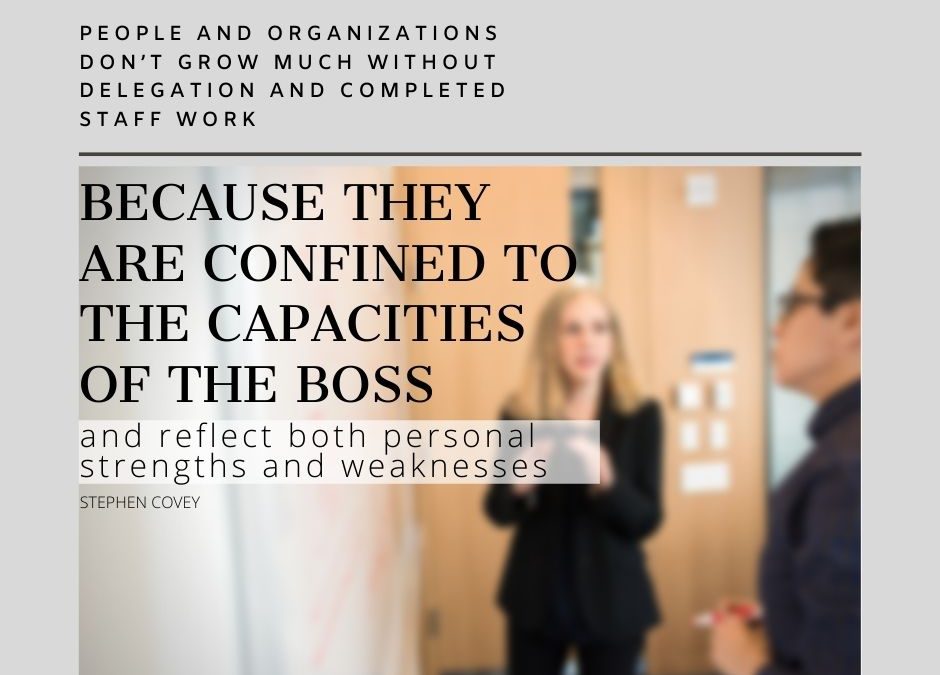
Many entrepreneurs face an ongoing internal battle when it comes to letting go and delegating certain tasks and projects to others. If you find yourself keeping a five finger death grip on every decision and project, you’re probably your own worst enemy.
When you first launched your startup, you needed to have your hands in everything that went on. But if your ultimate goal involves scaling your business beyond startup and into a full-fledged company, you need to master the art of letting go.
Mindfulness Over Multitasking – The Key to Success
By now, you’ve probably heard or read about the harmful effects of multitasking on just about, well, everything – including the health of your business. Multitasking doesn’t help you get more done. In reality, it causes you to scatter your focus and constantly shift mental gears. In effect, you’re working harder, certainly not smarter.
In contrast to the disaster of multitasking, mindfulness involves taking on one task, one thought, one action at a time. Not only will you perform at a higher level and make better decisions, but mindfulness can also improve your capacity to cope with change and manage stress.
But, in order to practice mindfulness in your work life, you’ve got to let go and delegate.
Why Is Letting Go so Hard?
Let go. Delegate. Why is it so hard for small business owners like you? A couple of reasons come to mind.
- Control seems to somehow give you peace of mind.
- When you’re in control, you feel free. When you relinquish control feelings of frustration and even anger may emerge.
- Control gives you a feeling of security.
Chances are, if you’re a control freak at work, you probably exhibit the same behaviors in your personal life. It all comes down to fear – fear of what might happen if you give some of the control over to another person. After all, your business is like your baby, and no one can love and nurture your baby the way you can. Wrong. It’s hard to face it, but it’s the truth.
Now that you’ve faced the cold, hard truth, it’s time to get to work at not working so much.
Kill Your Inner Control Freak to Awaken the Slumbering Leader
As your business grows, daily tasks to support operations increase as well. You take on what seems like an ever-increasing number of projects and tasks. The scope of your responsibilities widens so much; keeping up with it all becomes impossible. This can lead to overwhelm, longer hours, tightening that grip on control even more.
At this point, something has to change or you, and your baby (business), will crash and burn.
Five ways to empower yourself and others by letting go:
- Face your fear. Know that when you begin delegating, not everything will get done exactly the way you would have done it. That’s ok. In fact, by allowing others to find new ways to do things, you empower them to perform better for you and your business.
- Take an honest inventory of things only you can do. Ask yourself if someone else could complete this project with acceptable results. Ask yourself if all of your new responsibilities keep you from performing the critical, high-value activities of a business owner.
- Defer to others as often as possible. Think of deferring, as delegating is a close cousin. When you delegate, you hand off responsibilities already on your radar. Deferring involves passing tasks and work off to appropriate parties before they ever get on your to-do list. Outsourcing social media, executive administrative duties, travel planning, and similar responsibilities to a virtual assistant represent one example of smart deferral.
- Develop a reliable follow-up system. When you delegate duties that directly impact how others perceive you or your brand — such as a presentation or social media marketing campaign — it’s critical that you receive status reports on progress. You might use project management software so that you can view progress and get notified at certain milestones. Or, you could simply use a shared Google Drive task list.
- Just say no to taking back control. Paradoxically, letting go of control actually gives you better, more consistent control. You may start wavering if a final project result simply doesn’t meet your standards. You may experience frustration, anger, and the fear that makes you want to get your death-grip working again. Resist the urge. Instead, investigate what went wrong and help those who worked on the project understand what went wrong.
There’s an easy way and a hard way to everything in life. If you make yourself busier than necessary, you run the risk of trading a meaningful life for a barren existence of busy-ness. Smash the control freak and lead by delegating, instead.
“No person will make a great business who wants to do it all himself or get all the credit.” ~Andrew Carnegie
by Ace Concierge | Virtual Assistant | Aug 13, 2014 | Leadership, Marketing, Social Media
Status quo or stand up and command market share? It isn’t so simple to grab a piece of the pie when there are billions of social media users and companies searching for and sharing information. You need to find your niche, your voice or something that sets you apart from the rest of the digital ecospace to glean even a few minutes of visibility.
You don’t need to blend in with the rest of the crowd but rise above and be a little unique. Whatever that means to you, do it authentically. Do it from the heart.
Don’t think of social media as purely a soapbox to sing your own praises. It is a tool to connect, share, educate and network, imparting value and enriching the lives of others. Be that someone that people look to for information and problem solving.
As you begin to develop your relationships and nurture your connections, the ROI is a natural occurrence when you focus on the real inherent value and purpose of social media – fostering the connections.
In a recent interview with my good friend and client, Patti Blackstaffe, president of Strategic Sense Inc, her thoughts about rising above the crowd were that too many people focus solely on the competition which only leaves them sitting WITH the crowd. Her recommendation is to leave competition out of the equation and pay attention to relationships and collaboration.
In the interview she offered 3 ways to do this:
1. Analyze what kind of relationship the customers are really looking for
2. What they want to share
3. Getting to know them intimately
Here’s what Patti said about analysis:
“People are looking for connection, relationship – this is a relationship economy. If you are without a means or way of connecting with customers, potential customers and the public, you have no choice but to be left behind.
You don’t have to use every social tool available, but analysis of your market and the type of relationship your customers are seeking is vital for knowing what to choose.
Leadership is about connecting the dots from the lead seat in your company all the way to the customer, knowing what they are looking for from you, gives you the option of creating a relationship they can get from no one else.”
[Tweet “It’s all about customer interaction, not fancy webpages or how often you post #RelationshipShare”]
Patti goes on to talk about sharing:
“Looking for market share? Look for relationship share.
One example is NAISH a kiteboarding company – they understand how to market, how to reach their customers. Do they sell kites? Sure, but that isn’t their main market, their market is building an experience, and their customers cannot build an experience without the relationship factor. Looking for video from them? They share the video of the adventurous customers who buy their kites. How did they know how to do this? They know their customers, intimately!”
Pertaining to customer intimacy, Patti gave this prime example:
“Does your executive, or even your sales team visit customers? Knowing what questions to ask is great, but what if you created a “day in the life” program where you spend a day in the life of your top 4 customers, what would their work-day look like and what do they need? Imagine a database filled with suggestions and solutions to meet customer needs, selectively using the many tools available to you through social media and other marketing genius, interact with them and make a difference.
This is how you increase relationship share!”
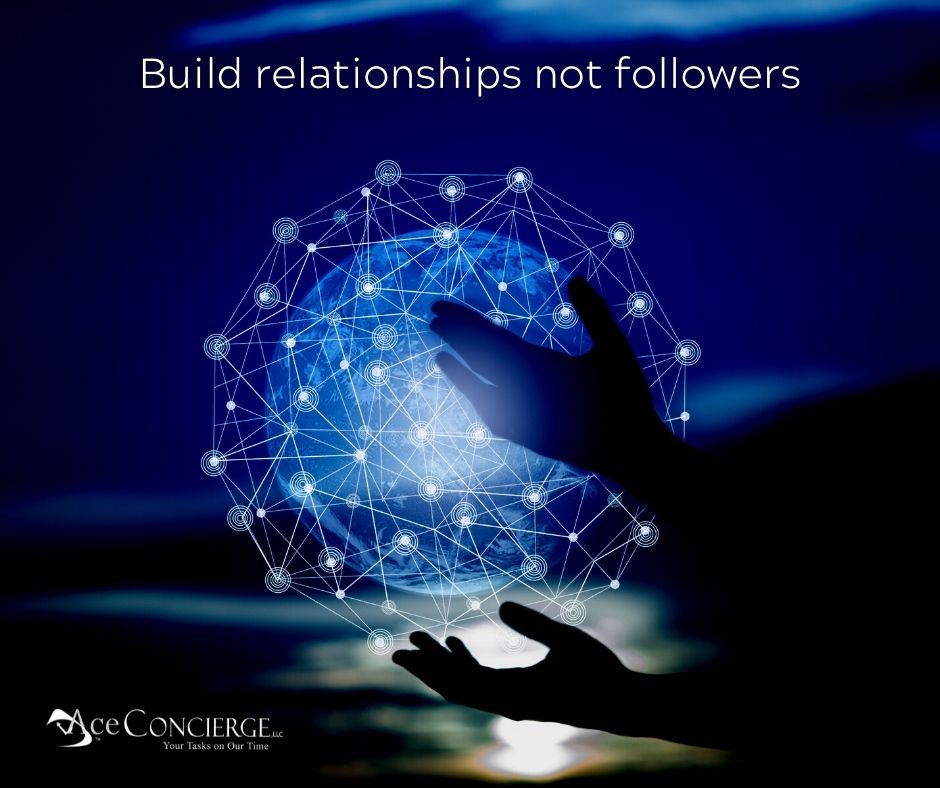
If you really want to stand out from the crowd, then build relationships. People buy from people. Add the human touch. Pull your focus away from what you want to give and get to know your customers and your audience by what they really need.
[Tweet “YOU are the CRO: Chief Relationship Officer. #relationshipmarketing”]
“Too many business owners and sales people try to sell their product or service, neglecting the fact that their customer is a person. In fact, the customer is a person who has feelings, influences and a mind of their own. They want to be connected with, and to trust and believe the person from which they are buying.” Rebecca Wilson