
by Ace Concierge | Virtual Assistant | Apr 2, 2013 | Small Business, Virtual Assistant, Word Processing

Living in the digital world of online connectivity and technology, we have been able to broaden our reach, create deeper relationships and have many avenues to share our voice. With this explosion of technology and new forms of media expression, we have become accustomed to communicating in 140 characters on Twitter, sending a quick IM or using much abbreviated texting that sometimes leaves the message open for interpretation, or worse, needing a few dictionaries or phoning a friend to decipher the code message.
While texting may be an efficient means to deliver a quick message, allow multi-tasking, and is less of an intrusion when there really isn’t time for a phone call, it can leave you scratching your head, wondering what the sender is saying. This type of tech shorthand is expedient but studies have shown it has negatively changed our levels of personal communications, interactions and writing skills for some. Educators from the Janus project “worry that heavy use of electronic communications such as email, social networking, texting, instant messaging and networked video games has diminished kids’ and adults’ social skills.” Texting is an instant convenient form of communication but has the possibility to weaken our social and written skills, if we allow it to happen.
Debra Vargulish, is a training administrator at the Latrobe-based global tooling company and college recruiter for Kennametal Inc reported that the students she meets are often inarticulate and shy, “They seem to be way better at using technology than older people. It’s actually the content that is missing. A lot of them don’t know what to say at all, and that’s not good.” Influence on Texting on Communication Skills.
The potential impact of texting:
- Reduce the in-depth conversations
- Dumb down spelling and grammar
- Distract people from being fully present
According to a Wall Street Journal article, people are becoming lazier about their grammar and spelling due to texting, instant messaging and social media.
Young students have turned in papers using text shorthand and emoticons.
The US Job Bank reports that many employers have expressed complaints and dissatisfaction with received employment applications that are written in text language. They noted that many applicants have a propensity to speak more informally and use abbreviated text messaging as though they are writing to a close friend.
There is now an online dictionary to explain the most used terminology.
You have just a few seconds to make a valued impression and if you aren’t clear, use proper spelling and grammar, this may present you in an unintended manner.
“Good grammar is credibility, especially on the internet. In blog posts, on Facebook statuses, in e-mails, and on company websites, your words are all you have. They are a projection of you in your physical absence. And, for better or worse, people judge you if you can’t tell the difference between their, there, and they’re.” Kyle Wiens.
While texting, shorthand “lingo” or social media communications may not directly impact you, it has influenced our communications and written word. Know when it is appropriate, who is your audience, become familiar with the common grammar mistakes, use spell-check but don’t depend on it 100%, proofread your documents, blog posts and emails two or three times and add in the email “To” field after you have taken the time to reread your message.
Your communications are a representation of you and your company. Make sure they are free of errors.
Image credit: Might Red Pen

by Ace Concierge | Virtual Assistant | Feb 1, 2013 | Guest Blogger, Life Thoughts, Organization
 Your parents are requiring more and more time as they age. You’re working on having a new sort of relationship with your adult children. Your vacation is coming up and you haven’t quite figured out how to manage your business and still relax while away. Your business is at a key stage and you want to spend more time in it.
You’re overwhelmed by all of this change. You know it, but you don’t know what to do about it.
Your First Two Steps
1. Rearrange your time and your work:
What do YOU want from the time you’re spending with parents/adult children? What do THEY want? These might be different, so think about this first.
How much time per week or month do your parents need? What percentage of your work time is this? Are there other ways to arrange their time to make it more convenient for you? Is there work you can take with you while you’re waiting on appointments? (Be careful of working too much while you’re with them; it’s also very nice to have this time together, so balance this carefully.) Are you possibly doing too much; it’s worth looking at it.
Get the idea here? Use this approach for your parents as well as for your adult children and the new relationship you want to have with them. Look at your time differently, and look at your work tasks differently. Reorganize to fit a new time commitment; don’t try to use the old ways to fit the new commitments you’ve made.
2. Forget about the future for awhile.
Too much future thinking is overwhelming. And with these life changes happening, the overwhelm quotient is going to be higher.
The key question here is: What’s important to you now? That’s “now” versus “not now.” That’s the only decision, for now. That’s what to fill your calendar with.
Your vacation is in three weeks. Block time in the next few days to review the status of each project and client, even if this has to be done on personal time, because this helps you get away on vacation with a calmer mind.
Identify which steps/tasks have to be completed before vacation. Not completed projects, but steps or stages of the project. Don’t use vacation as a deadline to force yourself to complete more than is really necessary, just because it’s an easy deadline.
This is the “I can’t leave for vacation unless these are done” tasks. These are the truly important priorities. To keep the focus, mark these in some way that’s clear and obvious when you review your daily goals.
Block working sessions right on your calendar, so you know for sure that you’ve protect time for these priorities. Once this is done, step back for a minute; are you overcommitting at all? Is it possible? Remember that crises happen, so plan buffer time for people coming at you at the last minute, clients not realizing right away how long you’ll be gone and needing something before you’re out, and so forth. The puzzle of your time must have white space.
Changes interrupt our lives. Change is change, whether it’s a welcomed change or one foist upon you. Accept that things are changing; that’s a key first step. And then reorganize to work through it.
Guest Post Courtesy of

Sue West
Certified Organizer Coach®
Certified Professional Organizer®
In Chronic Disorganization
ADHD Specialist
Do you have enough time for you? Enough time for what’s becoming more important to you? Sue’s clients do and because she’s an organizing coach, her approach is practical.
Her specialties are organizing through change, ADHD and time management. Her clients have called her: insightful, wise, inspiring, filled with hope, gentle yet productive. Sue works privately, by phone or in person and is also the author of Organize for A Fresh Start: Embrace Your Next Chapter in Life, a book about reorganizing your stuff, your home and your time to move onto your next chapter in life. Get to know Sue by signing up for her blog, visiting her on Facebook, or signing up for her newsletter.
by Ace Concierge | Virtual Assistant | Dec 30, 2012 | Entrepreneur, Small Business
 From the time I was little, I can always remember my parents preparing meals from scratch. I don’t think I had ever seen a “box” of anything used as an ingredient or a starter. From the cooking to the presentation and even the table setting, everything was not only visually beautiful, but divinely delicious. Whether it was a holiday, family celebration or a simple dinner, they expended great effort, love and care in every morsel! This love and passion for food represented more than merely the building blocks for a gastric feast, but generated a powerful role model for each of their children’s drive for success, character development and yearning for business acumen.
To this day, everything I make is from fresh, whole ingredients. Last week I was boiling a chicken carcass to make homemade soup and as I watched it simmer, it was one of those Ah Ha moments realizing that being an entrepreneur is similar to cooking. If you want the best flavor from your soup, you must simmer the bones in chicken broth for about two days to extract the flavor of the marrow, chill the soup, remove the fat, pull the meat off the bones, add your vegetables and fresh herbs and simmer again. It is a much longer process than simply popping open a can, but if you want the best outcome, then begin with the making the time and incorporating top ingredients. There are no shortcuts or quick fixes to build the company of your dreams. It requires an extensive amount of dedication, commitment and full-time effort. My soup exploded with flavors, great pride and passion for doing my best.
“Build it and they will come” will not propagate a thriving business. When you choose to become an entrepreneur, you not only commit to yourself, but to your stakeholders as well. You have a responsibility to them to grow and generate the best company you can and this requires a 365 day a year dedication and perseverance. It is not just a whim or a hobby. It is a perpetual cultivation process of business development, goals, service, leadership, insight, customer experience, troubleshooting and so on to ensure prosperity and success on all levels.
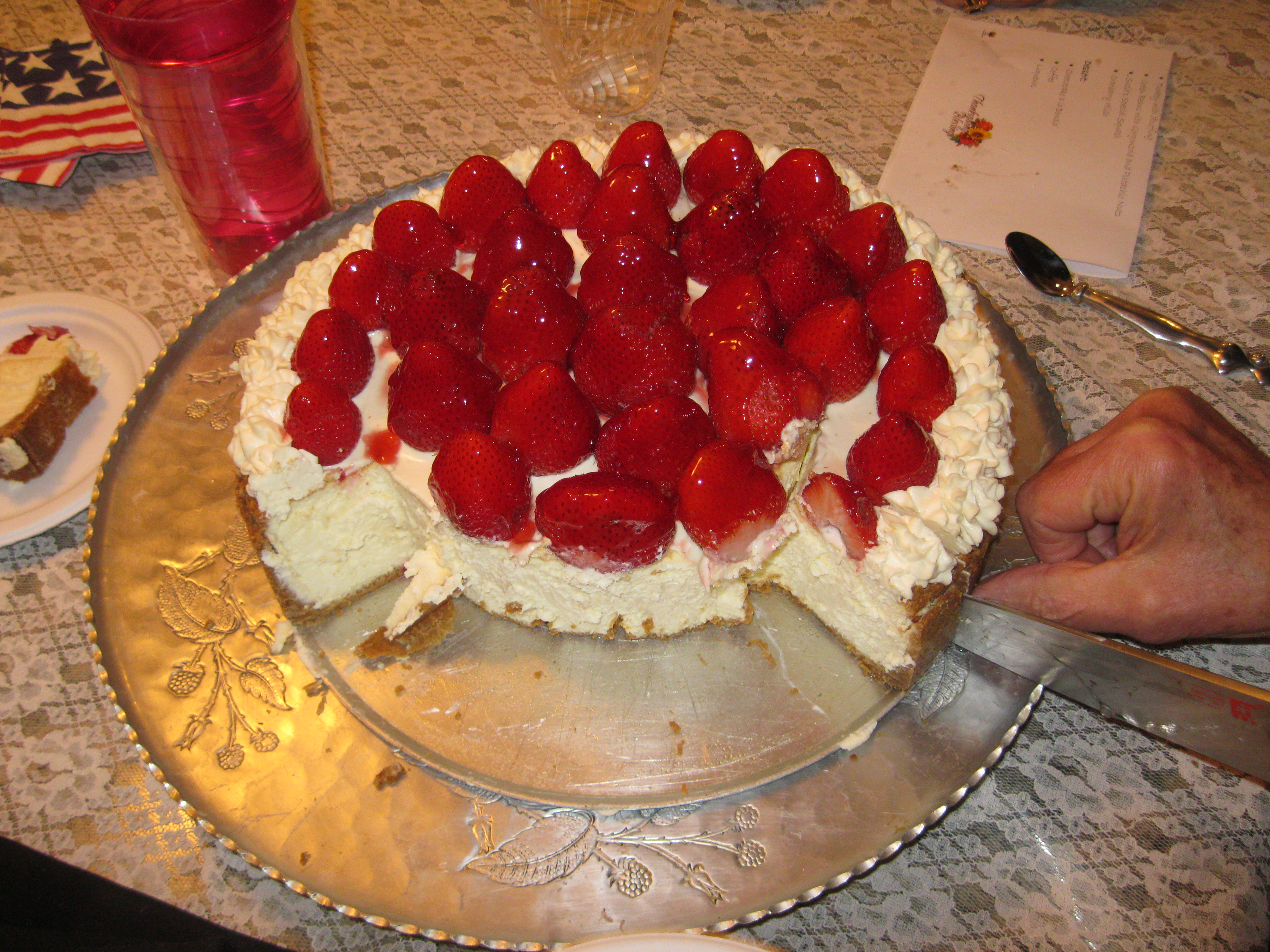
Your eyes are not fooling you. The image above is not my chicken soup, but my father’s famous cheesecake which takes 2.5 days to create and you will NEVER find any other cheesecake as richly and sinfully phenomenal.
Serve your business with the passion and all of the time it deserves.
by Ace Concierge | Virtual Assistant | Dec 26, 2012 | Entrepreneur, Time Management
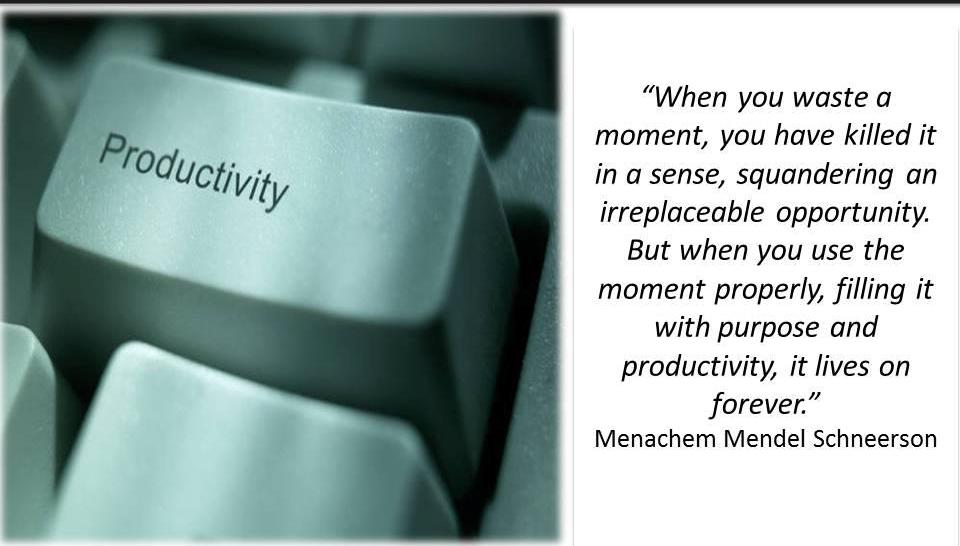
 What impedes your productivity? For many, it can be outside distractions or lack of dedicated focus. Here is a quick exercise to help you learn where you may need to improve.
When you find your mind straying or you wander off task, make a hash mark # on a piece of paper, noting what you were supposed to be doing and how much time you allowed yourself OFF task. At the end of the day, review how many times you were distracted and how many hours you squandered on non-core activities.
What did you fully accomplish or complete? Any work that is not advancing you toward your professional or life goals should not be counted as “work.” These activities account for many wasted hours during your day. Much of the busyness that usurps your time may give you a sense of productivity, but being busy does not mean you are being productive or effectively contributing to your life’s work.
Part of being effective during your work hours is the discipline to spend time on what is truly important even if other things try to steer you off course. During your review of the hash marks, where did you spend most of your time? If you end the day with several half finished projects or other important activities that merely were pushed to the back burner because Facebook, text messages, Twitter or other more “fun” interactions, you may want to re-evaluate your focus and productivity levels.
Efficiency is learning about your awareness to, acceptance of and ability to determine your real work, the actual tasks and projects that propel you forward versus time suckers, bad habits, procrastination or other low payoff activities that take you away from your personal and professional aspirations. It is a continual building process and without a strong sturdy foundation, you may find yourself with a few cracks, leading to disaster, lost time or missed opportunities.
How will you commit to improving your productivity and limiting your distractions?

by Ace Concierge | Virtual Assistant | Dec 18, 2012 | Entrepreneur, Life Thoughts
 Feeling like you live in a shadow but dream of success requires that you don’t merely step out of your comfort zone, but you LEAP, JUMP, SCREAM or otherwise take some real concrete actions to ensure your aspirations become realities. Sitting on the sidelines with an “oh poor me” will NOT take you to the mountain top.
You must decide what is it that you truly want! Something definitive and tangible.
If you have been floating within mediocrity, feeling just reasonably comfortable but suddenly realize there is more. YOU WANT MORE! Well, what are you willing to do for it? What will you commit to?
There can be some harsh revelations during the eye opening beginning. Learning what you did wrong, to teach yourself what you can do right.
What you can do better!
Some of us may not want to admit mistakes or past errors, but until you see the failures, it is more difficult to plan your successes.
You may see other industry colleagues thriving, flourishing, while you are only treading water. You know your legs are tiring from the constancy of monotony.
Your recognition needs to act as a positive upsurge, your motivator. Create your strategy; your plan to achieve your goals.
Envision your end result and work backwards with a detailed outline of how you will make it all happen. Record timelines, players, procedures, activities and any other structures or elements that will drive you toward your end result.
- Make a vision board
- Partner with your task force
- Seek a mentor
- Create a daily schedule/To Dos
- Write out your processes
- Enlist “industry experts
- Enhance your skill-set
- Measure or track your successes/failures
- Have a deadline
It is your playing field and if you want that touchdown you must write the playbook to score.
Now get in the game.
Learn the action steps, the stakeholders and commit to creating the life you want and deserve.
”Unless commitment is made, there are only promises and hopes… but no plans.” –Peter F. Drucker