Tasks you dislike pile up, distract from important work, and slowly drain energy. The cost is frustration and missed opportunities. High-performing individuals who continue to handle work they dislike are effectively holding themselves back.
Many leaders feel guilty about delegating, believing they must do everything to maintain control, or assume that no one else can handle certain tasks. High-value people often spend too much time on work they are ill-suited for or tasks that don’t require their expertise.
Disliking work has measurable impacts. It reduces cognitive performance, increases decision fatigue, and creates stress. When work feels burdensome, mental energy is siphoned away from high-leverage activities that drive growth.
Map tasks according to value and emotional cost:
- High-value, low-friction tasks should take precedence over your time.
- High-value, high-friction tasks should be streamlined where possible.
- Low-value, high-friction tasks should be offloaded immediately.
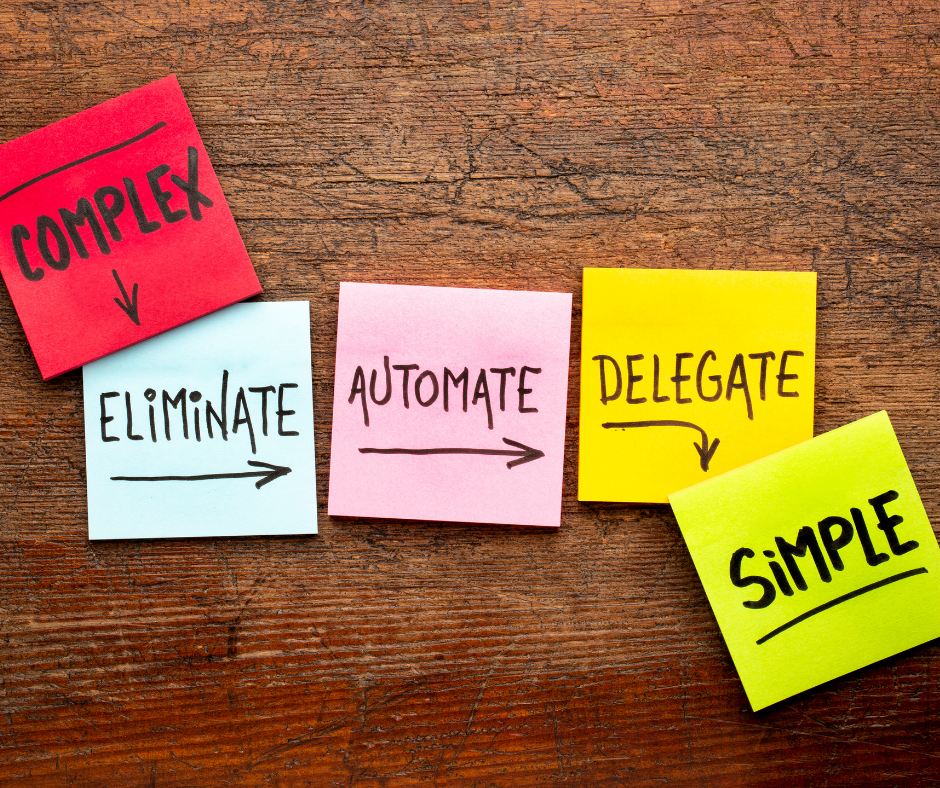
- Low-value, low-friction tasks should be delegated, automated, or eliminated.
Visualizing tasks reveals patterns that are often invisible to the naked eye. Delegating or automating low-value and high-drain tasks frees mental bandwidth and energy.
Delegation is a powerful tool. By assigning tasks that drain your energy, you can concentrate on areas where your attention will have the greatest impact. Tasks such as scheduling, data compilation, and standard communications can be handled by someone else, allowing you to focus on strategy, client relationships, and creative problem-solving.
Technology can also automate repetitive tasks, thereby reducing cognitive load. Email filters, automated reports, reminders, and workflow tools prevent small tasks from hijacking the day. Combining smart delegation with automation multiplies effectiveness.
Build a task liberation plan:
- Audit your week. List recurring tasks and assign value and emotional cost.
- Identify low-value and high-drain tasks.
- Decide on action: delegate, automate, or eliminate each task.
- Train support with clear expectations and priorities.
- Track reclaimed time, energy, and mental bandwidth.
Fostering a focused environment enhances the opportunity for meaningful work. By eliminating tasks that are burdensome or unproductive, individuals can experience a significant boost in both energy and results. Prioritizing attention protection ultimately leads to more effective and fulfilling work outcomes.
0 Comments