by Ace Concierge | Virtual Assistant | Dec 23, 2025 | Business Transformation, Entrepreneur, Executive Administration, Executive Assistant

High performers often blame themselves. Structural productivity problems usually cause the struggle. When the calendar fills, the inbox overflows, and important work slips through the cracks, leaders think, “I need to be more disciplined.” They wake up earlier. Work later. Add another productivity app. Try a new routine.
It feels noble to see it as a personal failing. It also misdiagnoses the problem.
What Looks Like a Discipline Problem Is Structural
What looks like a discipline problem is often a structural problem: you are operating in a system where you are responsible for both leading and holding everything together.
Look at the shape of your day. You are making high-impact decisions, yes. But you are also:
- Screen and triage messages.
- Schedule and reschedule your own meetings.
- Follow up on tasks others promised to do.
- Fill gaps between departments to ensure nothing falls through.
- Stay copied on threads “just in case” to keep everyone comfortable.
By the time you reach the work only you can do, you run out of mental energy. Focus feels like a luxury. You try to squeeze deep thinking into early mornings, late nights, or weekends. Then the story becomes: “I just need better self-control.”
What Happens If the Structure Changes
Imagine, instead, that the structure around you changed, but you, as a person, did not. Same brain. Same habits. Different environment.
In that world:
- Your calendar is designed around your highest-value work, not first-come, first-served requests.
- Routine decisions and recurring tasks are handled by someone who understands your preferences and can execute them on your behalf.
- Threads you do not need to see never reach you.
- Meetings are filtered, prepared, and followed up on without requiring you to lose any additional time before or after each one.
You did not suddenly become more disciplined. You became supported correctly.
The Quiet Power of a Strong Operator
That is the quiet power of having a strong operator around you. An operator does not mean “someone to take tasks off your list.” It means:
- Translating your goals into concrete action and sequencing.
- Deciding what deserves your attention and what does not.
- Creating structure so decisions and projects move even when you are not looking.
- Guarding your time from the thousand small pulls that look harmless but add up to a completely hijacked week.
Most leaders underestimate how much energy they spend compensating for the lack of that role. They call it “being hands-on” or “staying close to the details.” In reality, they are patching holes in a system that expects them to be founder, strategist, project manager, and admin at once.
Fixing Structural Productivity Problems
You do not fix that with a new morning routine. You fix it by adjusting the mix of work on your plate and how that work reaches you. You fix it by recognizing that your time and attention are scarce assets that require infrastructure, not just more willpower.
So before you commit to the next wave of “I’ll try harder,” ask a different question:
If your calendar, inbox, and projects were redesigned around the work only you can do, how much “lack of discipline” would actually remain?

by Ace Concierge | Virtual Assistant | Sep 30, 2025 | Business Transformation, Delegation, Executive Administration, Leadership

Running a company often feels like trying to hold back a tide with a teaspoon. Every day, CEOs and small business owners are pulled in a hundred directions. Big decisions demand attention, yet countless small tasks, follow-ups, and operational fires constantly compete for focus.
Most of these challenges are invisible to the outside world, yet they silently sap mental energy, slow decision-making, and make it nearly impossible to lead with clarity. Understanding these hidden drains, the mental load, operational bottlenecks, and constant interruptions is the first step to regaining control and protecting the time that truly matters.
Here’s a look at the 10 biggest pain points CEOs face daily, and why executive support can make all the difference.
1. Decision Fatigue
A CEO makes an average of 200+ decisions per day (Harvard Business Review). Every small choice, such as approving a report or signing off on a minor expense, uses cognitive energy. Without support, leaders run out of mental bandwidth before the big decisions even land on their desks.
2. Operational Overload
Studies show that 72% of a CEO’s time is consumed by meetings, administrative work, and firefighting (McKinsey). High-level strategy often takes a back seat while day-to-day operations demand constant attention.
3. Time Scarcity
Even the most organized leaders struggle to find time for what matters most. Research from First Round Review finds that only 28% of a CEO’s time is spent on high-value strategic work. Every other hour is consumed by urgent but lower-impact tasks.
4. Information Chaos
The average executive receives over 120 emails per day and attends more than 60 meetings per month (McKinsey, Atlassian). Sifting through endless updates and notifications fragments attention, making it hard to focus on priorities.
5. Lack of Focus
Context switching comes at a cost. The American Psychological Association reports that frequent task-switching can eat up 40% of productive time. Leaders constantly pulled in multiple directions can’t perform at their highest level.
6. Project Bottlenecks
A survey from the Project Management Institute shows that 37% of projects fail due to misalignment and slow decision-making. Without timely approvals and oversight, even small operational delays compound into strategic bottlenecks.
7. Burnout Risk
Deloitte research finds that 60% of leaders report burnout, often linked to administrative and operational overload. Chronic stress reduces focus, creativity, and the ability to lead effectively.
8. Talent Management Strain
Small business CEOs spend up to 25% of their time on hiring, onboarding, and people management (SCORE). While critical, these tasks compete with strategy, growth initiatives, and customer focus.
9. Scaling Challenges
According to U.S. Bank research, 82% of businesses fail because systems and processes can’t keep up with growth. Without operational leverage, leaders get trapped in execution instead of steering the company forward.
10. Lost Opportunities
PwC reports that 45% of executives admit they’ve missed opportunities for growth or innovation because operational noise consumed their attention. Even the best ideas can fail to get traction without mental space and support.
Why This Matters
These pain points aren’t a reflection of poor leadership; they’re a reality of running a complex business. Recognizing them is critical because awareness is the first step toward reclaiming focus, energy, and strategic bandwidth.
A CEO who understands these hidden drains can start making deliberate choices: prioritize tasks, delegate operational work, and protect mental space. Even small shifts can free hours for thinking, innovating, and leading with clarity.
💡 Takeaway: Being a high-performing CEO isn’t just about working harder. It’s about identifying the invisible drains on focus and making space for the work that truly moves the business forward.

by Ace Concierge | Virtual Assistant | Jan 12, 2017 | Entrepreneur, Executive Administration, Small Business, Time Management, Virtual Assistant

Greeting the day as an overwhelmed entrepreneur has become part of the norm for many first-time business owners. The hats we wear are numerous and can present unexpected challenges in our day-to-day operations. It can be suffocating trying to figure out where to turn or what to do next.
Becoming more productive and being able to free up more time and leveraging your existing time, is one of the most skills that can literally multiply your success. Tor Refsland
You are an executive who worked hard, paid your dues and now you are sitting in the seat of responsibility. With responsibility comes an increased need to manage your time effectively. You cannot spend hours of your time formatting documents, writing business letters, building forms, writing and responding to emails, and editing or proofreading marketing material. Your decision-making, client relationships, and management of the company’s fiscal responsibilities take precedence. Hiring someone full-time is just not in the books yet.
What can you do? Is there a simple solution to help you achieve more by doing less?
Delegating
The purpose of delegating is to enable you to focus on your core genius, the tasks and projects that ONLY you can do; the revenue generators.
If you are being busy with many of the back end, admin tasks, you not using your expertise to the best of your ability; thereby further impairing your business advancement and opportunities. You’re potentially hindering your own growth which is counterproductive to starting your business. Let go to grow.
Tracking Hours
How much valuable time is used for follow up emails, searching/scheduling social media posts, writing/editing content, travel planning, document reviews, calendar reminders, project management, or presentation prep, just to name a few?
Track your time for the rest of the week, including the project, time on task, distractions, task completion, new additions to your list, items that were dropped to a lower priority or simply forgotten and how you felt at the end. In your review, what tasks clearly represented your core genius? What tasks were a low value?
Infinite list of responsibilities
All of the above are just a few of the basic yet necessary components to your business operations. It can be exhausting and frustrating to manage all of these tasks on your own. Unless you’re a super hero, it’s nearly impossible to be all things, to all people, all of the time.
In his blog post “The Way To Measure Your Productivity As An Entrepreneur”, Dan Martell suggests you:
- Create 4 buckets of activities: Admin, Work, Mgmt, Strategy
- Measure each with a monetary value: $10, $100, $500, $5000
- Focus on moving your way up the value chain (working ON vs. IN)
Measure each activity for what it is, then tally up your time for the day to get your daily value creation score.
The goal of these activities is to nudge you to work ON your business, rather than IN it. Typically, the IN does not generate revenue but keeps you busy. Busy isn’t necessarily productive. Busy can be frittering time. You don’t have time to waste.
When you love what you do, you want to do more of it!
Delegating gives you the flexibility you need to keep the company momentum going. Unburden yourself of these time consuming, the low payoff tasks/projects that keep you from the core of your business.
Stop doing stuff that isn’t valuable. So much of what people do in attempting to be productive involves just trying to fit more low value tasks into the same amount of time. Being productive means accomplishing more with the same or less effort. Mark Shead, Productivity 501
ACTION STEP
What’s on your To Do list right now that you’re ready to outsource? Do it and discover for yourself why so many other entrepreneurs embrace the power of delegating. What do they know that you don’t?

by Ace Concierge | Virtual Assistant | Aug 10, 2016 | Delegation, Executive Administration, Time Management

There will come a time in your business when you feel overwhelmed with the day to day operations. There is simply too much for one person to achieve while remaining efficient and effective.
As an entrepreneur, the CEO of your company, you have a limited number of hours to work both IN and ON your business. Constantly flipping your hats not only takes time, but a shift in focus, a reorganization of your priorities and it disrupts your workflow. It probably makes you a little crazy or insane. You may end up overlooking important business details or even client needs because you are buried in the trenches instead of running the front line.
There’s just not nearly enough time to get everything done and still operate your business. It is this realization, the “Ah ha” moment, that you recognize delegating these projects and tasks to an assistant will make your life and your business, much more productive.
Delegation is an advantageous productivity tool we frequently hear about— one that will transform your businesses in terms of greater income and more free time for you! And who doesn’t love both of these?
BUT, many are timid about beginning the process for fear of relinquishing control of parts of our business processes and procedures. Mine! Mine! Mine!
It’s time to give up this thought process and embrace a growth mentality for your business.
Focus on the high payoff activities that model your organization’s vision, foundation, and core competencies.
Effective delegation for entrepreneurs is essential! When you outsource your tasks and projects, you are able to focus on more important responsibilities that only you can do to cultivate your business and generate revenue. The art of delegation is an indispensable part of establishing your growing business.
When you delegate properly and use software to help you delegate, you’ll find that your company runs more efficiently, productivity levels rise, people are happier at work, and your quality of work improves immensely. Amara Pope – timedoctor.com
You know you need to start delegating if:
- You spend 7-10+ hours online, curating, scheduling and managing your social media and it takes away from time with clients, colleagues, partners etc.
- You need to implement some systems to streamline your business processes
- You have wished for a like-minded brainstorming partner
- You are ready to scale, but don’t have enough hours in the day.
- You find it hard to concentrate and stay focused because there is too much for one person to do.
- You have some projects or platforms that are barely started or only half-finished.
- You lay awake at night wondering how you will manage everything.
What stops people from delegating:
- They feel they are too disorganized to illustrate what needs to be done.
- They believe they don’t have the financial means. (It is actually more cost-effective to partner with a Virtual Assistant as you only pay for project time).
- They feel their schedules are too hectic to take the time to delegate. (If you are this busy, your time restraints will only increase without delegation).
- They feel someone else won’t do it the same way or be as efficient (A virtual assistant is a solopreneur like yourself: efficiency, productivity, and industry expertise IS our business. We know of different tools and tips to professionally manage your projects in a proficient, resourceful manner).
Each of the above objections emphasizes the necessity to delegate. As long as you continue to clutch the tasks that stop you from growing your business, you will feel exasperated, overwhelmed, and unproductive.
Delegating will free up your time. It enables you to eliminate low-priority tasks while allowing you to concentrate your efforts on those business systems that enhance your productivity and your profit margin. Your time and energy should be committed to creating new products or services, networking, consulting with clients and prospects, forming strategic alliances, expanding into new markets, business development, social media engagement and so forth. These are tasks that only YOU can do. They are your CORE GENIUS.
Ask yourself:
- Is delegating a logical next step to help grow my business?
- How much time am I spending on tasks that impede my progress and waste my time?
- What are my most pressing issues or pain points that eat up most of my time?
- Have I been able to accomplish ALL of my daily To Do list items?
- If I delegated tasks, how would I use an additional 5-8 hours per week?
- How would I feel if I only worked on income generating tasks and outsourced the rest?
Delegation is the perfect low cost, high impact tool to help expand and develop your business without having to increase responsibilities or sacrifice your personal time with your family.
The bottom line is that effective delegation is the sensible alternative to help you scale your business and get more done.
It takes courage, intelligence, and humility to delegate in ways that actually drive productivity, engagement, and success throughout an entire organization. But every leader should aim for that high standard, rather than shrink from the risks it entails. Baird Brightman
Do you have a minute? Please share in the comments below your thoughts on:
What has been your greatest success or disappointment from delegating tasks/projects?
by Ace Concierge | Virtual Assistant | Mar 2, 2013 | Executive Administration, Time Management
 I was forced into a little work life balance yesterday when the charger port on my laptop decided to malfunction. After about 15 minutes of power cord twisting, manipulation and tape, I was able to create the perfect placement for charging. I am not able to move the laptop out of fear of losing the all important power plug tweak; so there it sits on the floor until further notice.
Thanks to continual time management, scheduling and beginning the work day at 6 AM, all vital projects had been managed. Organizational and productivity skills are a life saver. This daily preparation and task management saved me many headaches and hair pulling while my laptop was in a prone position for getting juiced back up.
After doing some initial research, Friday evening was my night to choose a laptop and I wasn’t coming home empty handed. What I wasn’t aware of was that EVERY computer comes with Windows 8. I had only heard nightmares and a variety of complaints – I was up for the challenge with the learning curve: up until 3:30 AM that is!! I woke at 6, hit snooze until 7 AM and have been here almost all day/night configuring, transferring files, working, screaming, swearing and finding my place with Windows 8 and a new laptop.
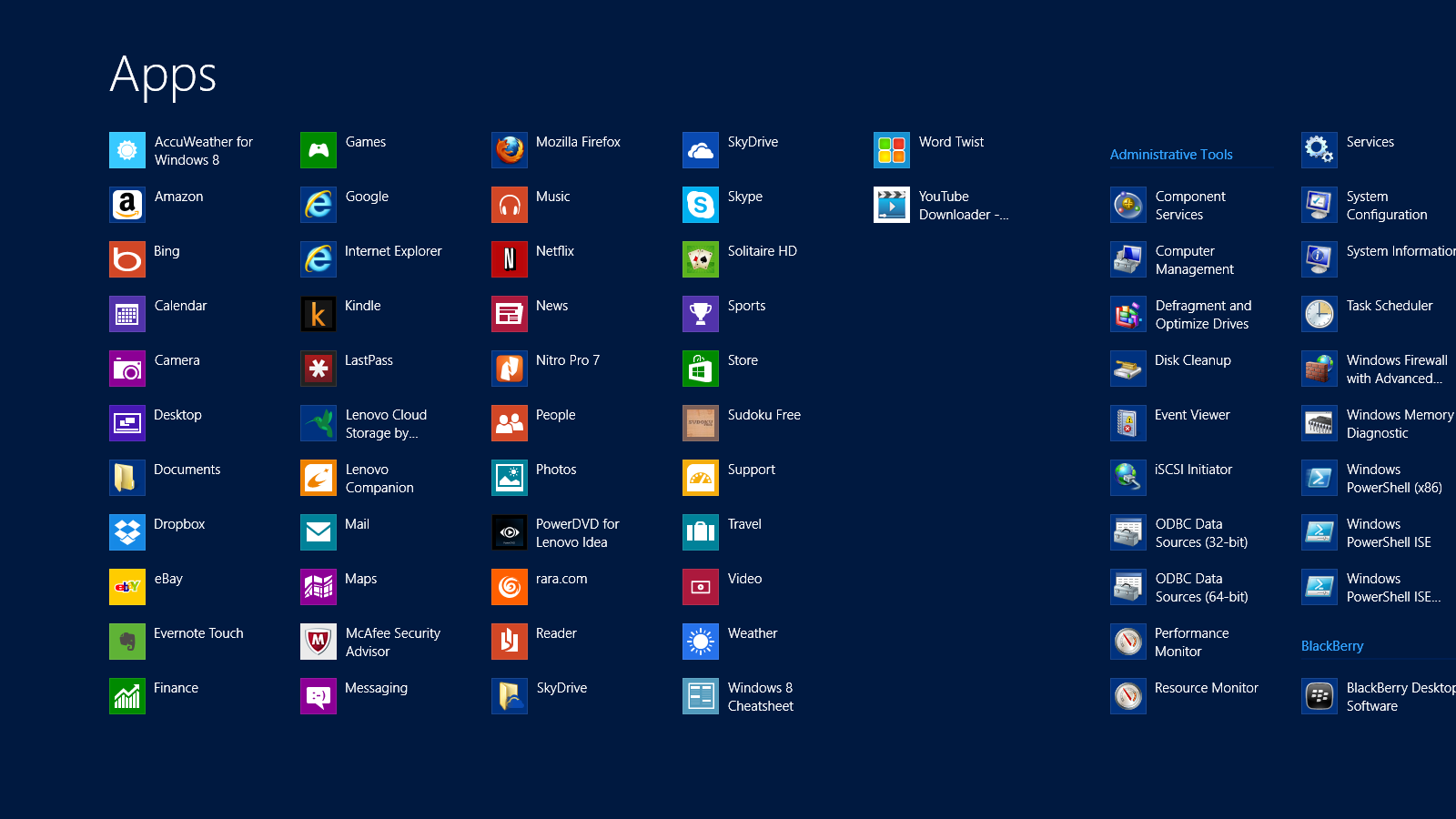
Windows 8 Shortcuts | APPS
I was delighted to find SHORTCUTS amongst their APPS, making my life just a little easier. While I continue to hit a few roadblocks OR maybe five, I am jumping the hurdles. I have read them, practiced them and of course forgotten many and I would like to share the FREE PDF I made of Windows 8 Shortcuts to help us all. Something else that has eased the transition a bit were the tips from the previous post on Keyboard Shortcuts. They have come in handy, especially with developing a comfort level with a new keyboard and touchscreen.
What tips or tricks can you share about Windows 8?
by Ace Concierge | Virtual Assistant | Apr 19, 2012 | Delegation, Executive Administration
 One of the most important lessons a business owner can learn is that you do not have to do everything, nor are you able to. Communicating your vision to others and empowering others to take an active role within the organization is important. Empowerment can only come if you effectively delegate projects and responsibilities to others. When delegating make sure the person you are giving responsibility to knows exactly what is expected and has the interests and skills to successfully complete the task.
Delegation is giving others the authority to act on your behalf, accompanied with responsibility and accountability for results. Three basic but major skills needed to be an effective delegator are:
1. Trust – You must believe in the people you delegate to.
2. Honesty – You must be honest with them in what your expectations are.
3. Communication – You must clearly articulate what you need done.